∙
Arrigo Boito, Nerone
Bregenz, Festspielhaus, 2 agosto 2021
(registrazione video)
No, non si sente la mancanza del quinto atto
Opera postuma di Arrigo Boito, Nerone è la sua seconda di cui abbia scritto sia il libretto sia la musica, la prima essendo il Mefistofele. Nel 1884 il compositore scriveva: «Per mia disgrazia ho studiato troppo la mia epoca (cioè l’epoca del mio argomento). […] Terminerò il Nerone o non lo terminerò, è certo che non lo abbandonerò mai per un altro lavoro e se non avrò la forza di finirlo non mi lagnerò per questo e passerò la mia vita, né triste né lieta, con quel sogno nel pensiero».
Tra il primo segnale del progetto, una lettera di Camillo Boito al fratello del febbraio 1862, e la morte del suo autore, giugno 1918, che lasciò l’opera incompleta nell’orchestrazione del quarto atto, trascorsero cinquantasei anni. «Un enorme arco di tempo, che probabilmente non ha eguali nella storia dell’opera e che la dice lunga sui problemi e sulle incertezze che caratterizzarono il Boito post-Mefistofele. In questi cinquantasei anni Boito mise a punto un’impressionante mole di materiale preparatorio (abbozzi musicali, appunti e iconografia su scene e costumi, schede su personaggi e situazioni drammatiche, taccuini di lessico e metrica e persino un intero trattato di armonia concepito ad hoc), utilizzando fra l’altro, in maniera capillare, un’amplissima bibliografia, che va dai più importanti storici latini (Tacito, Svetonio) fino agli studiosi del suo tempo (Renan, Mommsen). L’opera, progettata originariamente in cinque atti, fu ridotta a quattro negli anni Dieci, dopo la pubblicazione della tragedia in versi (1901), nella quale è presente anche il quinto atto. Al completamento dell’orchestrazione lavorarono Tommasini e Smareglia, sotto la supervisione di Toscanini, che fu anche il direttore della prima rappresentazione [1 maggio 1924]. Lo sfarzosissimo allestimento del Nerone, con le scene e i costumi disegnati da Lodovico Pogliaghi seguendo le minuziose indicazioni lasciate da Boito stesso, fu uno dei massimi esiti della scenotecnica scaligera del primo Novecento» (Susanna Franchi) e un enorme successo di critica e pubblico.
Atto primo. La via Appia. La vicenda vive soprattutto della contrapposizione tra il mondo pagano in disfacimento e il nascente mondo cristiano. Nerone, allontanatosi da Roma dopo il suo matricidio, cerca conforto nei riti di Simon Mago, ma viene atterrito e messo in fuga dall’apparizione dello spettro di Asteria. Simon Mago pensa di usare Asteria, che è follemente attratta da Nerone, contro lo stesso imperatore. Poco lontano, la preghiera della giovane Rubria viene interrotta dall’apostolo cristiano Fanuèl, che la esorta a confessare il peccato che la opprime. Il dialogo viene interrotto da Simone, che offre dell’oro a Fanuèl in cambio dei suoi miracoli, ricevendone invece una maledizione. Nerone ritorna e Tigellino gli annuncia che tutto il popolo romano sta sopraggiungendo per riportarlo in trionfo nell’Urbe.
Atto secondo. Nel tempio di Simon Mago. Per piegare Nerone alle sue ambizioni, dopo esser ricorso a vari stratagemmi Simon Mago gli fa comparire dinanzi Asteria in veste di dea; ma quando la giovane si china sull’imperatore per baciarlo, questi si accorge di avere fra le braccia una donna: nella sua furia inarrestabile devasta allora il tempio, scoprendo i trucchi di Simon Mago, che viene arrestato dai pretoriani e condannato a morire nel circo.
Atto terzo. I cristiani sono riuniti in preghiera sotto la guida di Fanuèl che riporta il discorso delle beatitudini, quando giunge Asteria, fuggita dalla fossa delle serpi in cui era stata fatta gettare da Nerone, per avvertirli che anch’essi sono stati condannati dall’imperatore. Simon Mago guida i soldati romani fino a loro; Fanuèl, arrestato, chiede ai confratelli di pregare mentre viene condotto via.
Atto quarto. Quadro primo: l’oppidum. Nel circo Massimo. Simon Mago viene avvertito dell’imminente incendio della città, appiccato per favorire la sua fuga; anche Nerone ne è a conoscenza, e anzi se ne allieta con Tigellino. Quando i cristiani vengono condotti a forza nell’arena, una vestale velata chiede pietà per loro, ma Nerone, fattole strappare il velo da Simone, riconosce Rubria, segnando così la sua condanna. Simon Mago, forzato a volare da Nerone, si schianta al suolo proprio mentre l’annuncio dell’incendio provoca un fuggi fuggi generale. Quadro secondo: nello spoliarium del Circo Massimo. Nel sotterraneo del circo, dove si depongono i morti, Fanuèl e Asteria cercano Rubria. La giovane, ormai in fin di vita, confessa finalmente a Fanuèl il suo peccato, quello di aver servito un falso dio come vestale e contemporaneamente gli svela il suo amore. Fanuèl le dà il perdono cristiano e la dichiara sua sposa; Rubria muore e Fanuèl fugge con Asteria dallo spoliarium in fiamme.
Prima di diventare un libretto d’opera, il Nerone fu un testo poetico che Boito diede alle stampe nel 1901, dopo la scomparsa di Verdi, con l’autorizzazione di Ricordi che ne aveva acquistato i diritti per la versione operistica. Ricordi aveva imposto però che la copertina e il formato della pubblicazione fossero diversi da quelli del libretto dell’opera. Nel testo pubblicato dai Fratelli Treves c’era un quinto atto – in cui Nerone subisce un crollo psichico mentre recita l’Oreste, con conseguente apparizione dello spettro di Agrippina, ritornando tematicamente alla scena iniziale del dramma in cui cerca di placare i mani e le furie della madre – che fu espunto nella versione musicale.
Si era presentata anche un’ipotesi, su idea di Giulio Ricordi all’indomani dell’Aida, che a musicare il libretto di Boito fosse Verdi, ma in una lettera del 1871 aveva già scritto: «Non posso oggi rispondervi sull’affare Nerone! Non ho un minuto da perdere. Gran progetto! voi dite! verissimo, ma è realizzabile? Vedremo!». In seguito Verdi scriverà di aver molto apprezzato il libretto: «Boito tornando da Parma si è fermato quì per circa 48 ore e m’ha letto il libretto del Nerone !! Non so se faccio bene a dirvelo, ma Egli non m’ha raccomandato il segreto e così ve ne parlo nella certezza che vi fara piacere il sentire che il Libretto è splendido. L’epoca è scolpita magistralmente e profondamente: cinque caratteri l’uno più bello dell’altro, Nerone malgrado le sue crudeltà non è odioso: un quarto atto commoventissimo; ed il tutto chiaro, netto, teatrale malgrado il massimo trambusto e movimento scenico. Non parlo dei versi che sapete come li sa far Boito; pure questi mi sembrano più belli di tutti quelli che ha fatto finora». (Lettera di Giuseppe Verdi a Giulio Ricordi, 25 maggio 1891). Non se ne farà nulla. Un Nerone, su libretto di Giovanni Targioni-Tozzetti tratto dal dramma omonimo di Pietro Cossa, lo scriverà Mascagni nel 1935.
Se nella seconda metà del secolo passato si contano importanti incisioni italiane del Nerone (Toscanini 1948, Capuana 1957, Gavazzeni 1975), più recentemente sono gli stranieri ad essersi interessate all’opera, come Eve Queler con l’Orchestra di Stato Ungherese (1983) per una registrazione Hungaroton, o Nikša Bareza per una esecuzione del 14 luglio 1989 nel Palazzo di Diocleziano di Spalato il cui video è disponibile su youtube. Ora c’è questa produzione dei Bregenzer Festspiele nel teatro al coperto di fianco alla Seebühne. Nella sua smodatezza e stravaganza, quest’opera è ideale per i festival che non devono conformarsi alle esigenze del repertorio quotidiano: arte per l’arte, per il piacere, per lo stupore che una cosa del genere sia possibile.
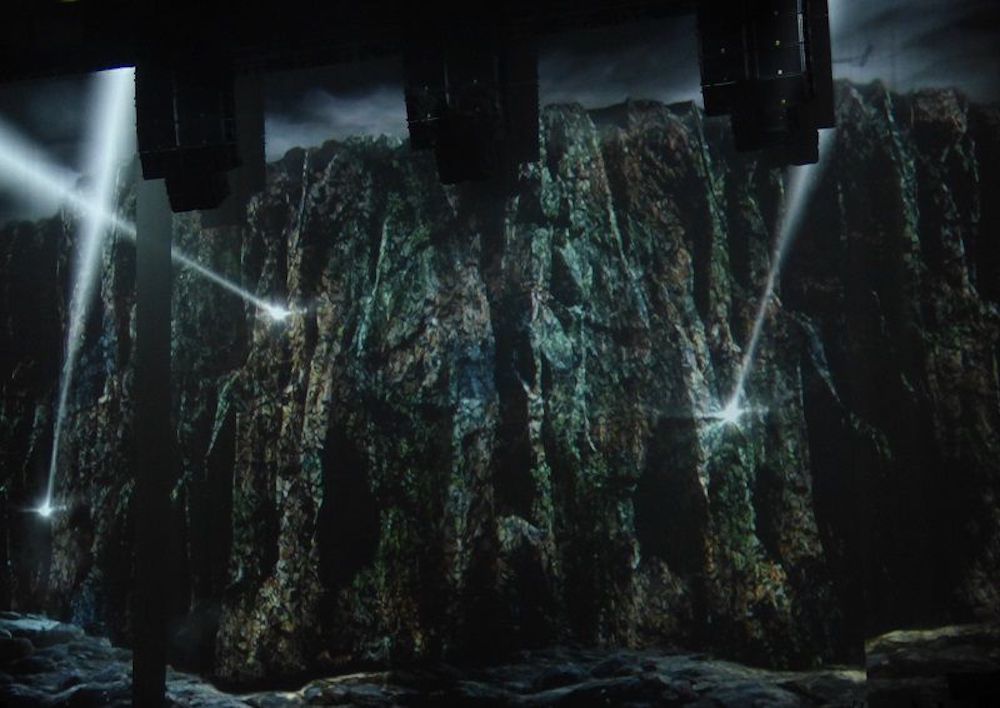
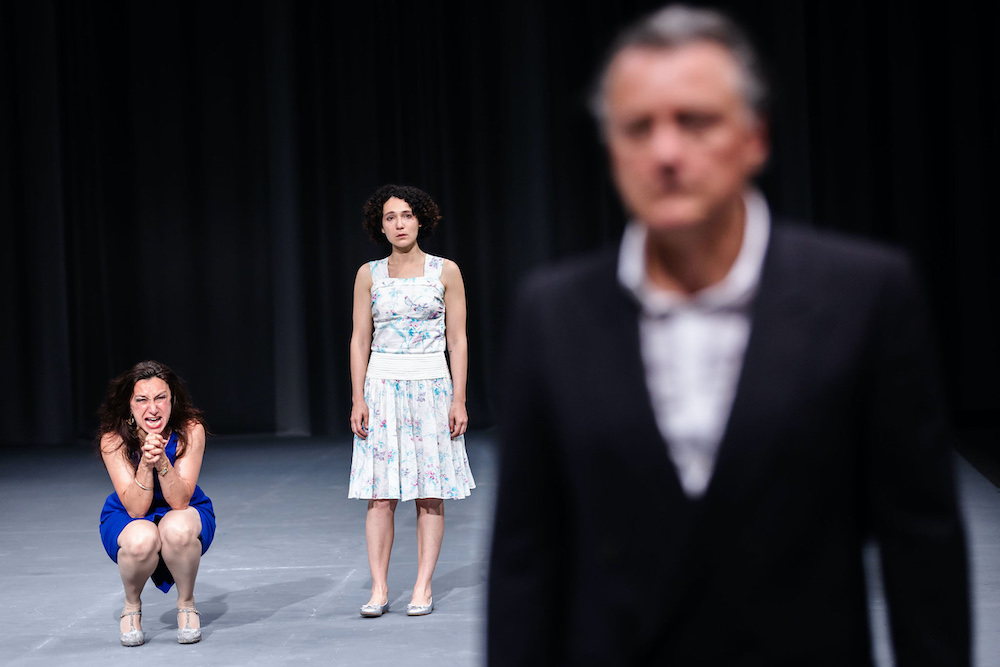
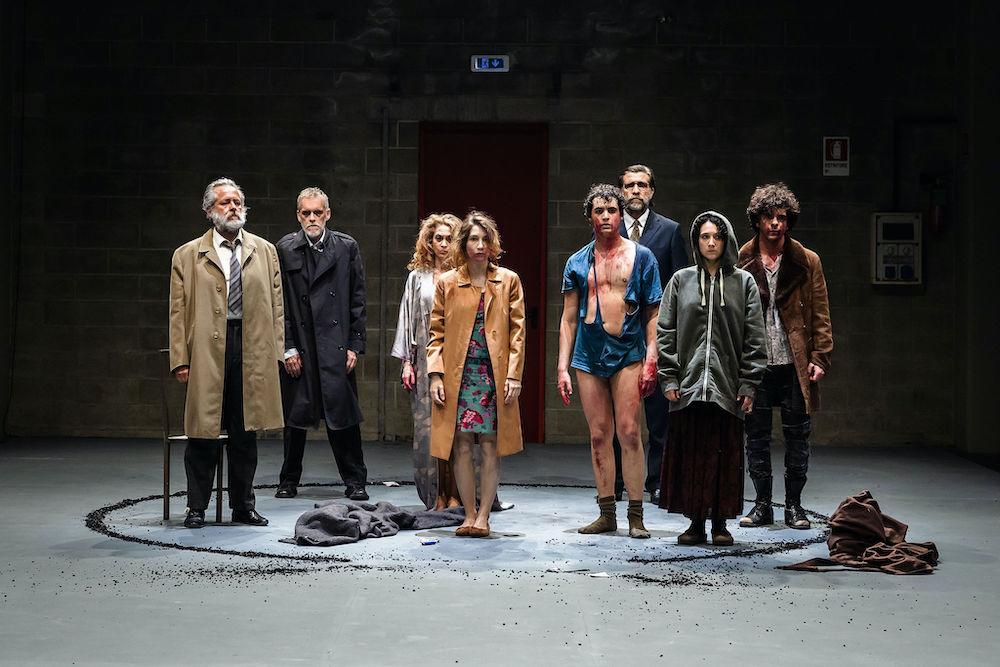
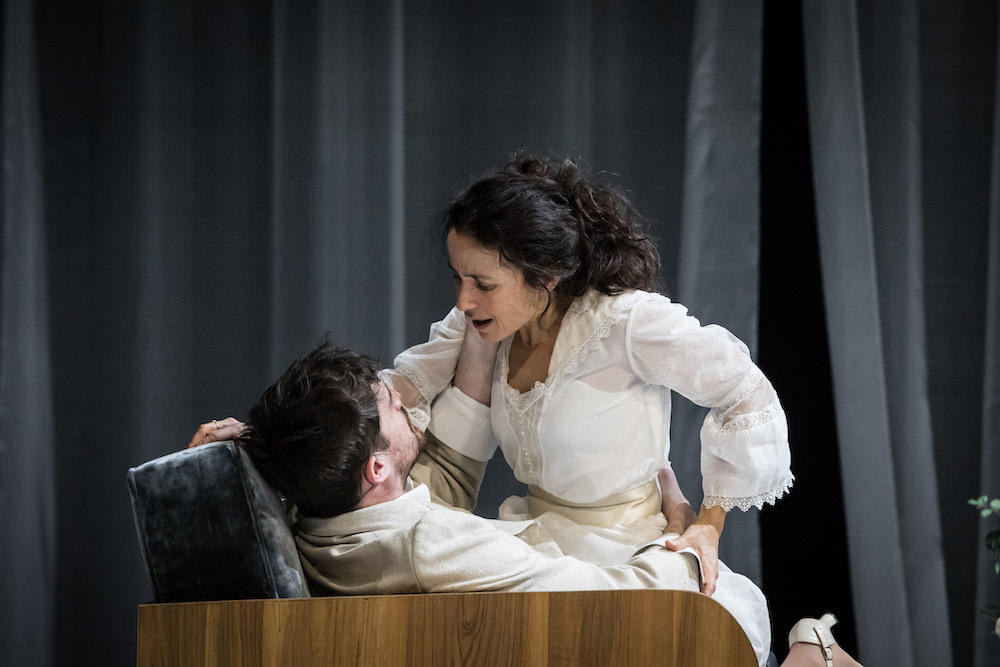
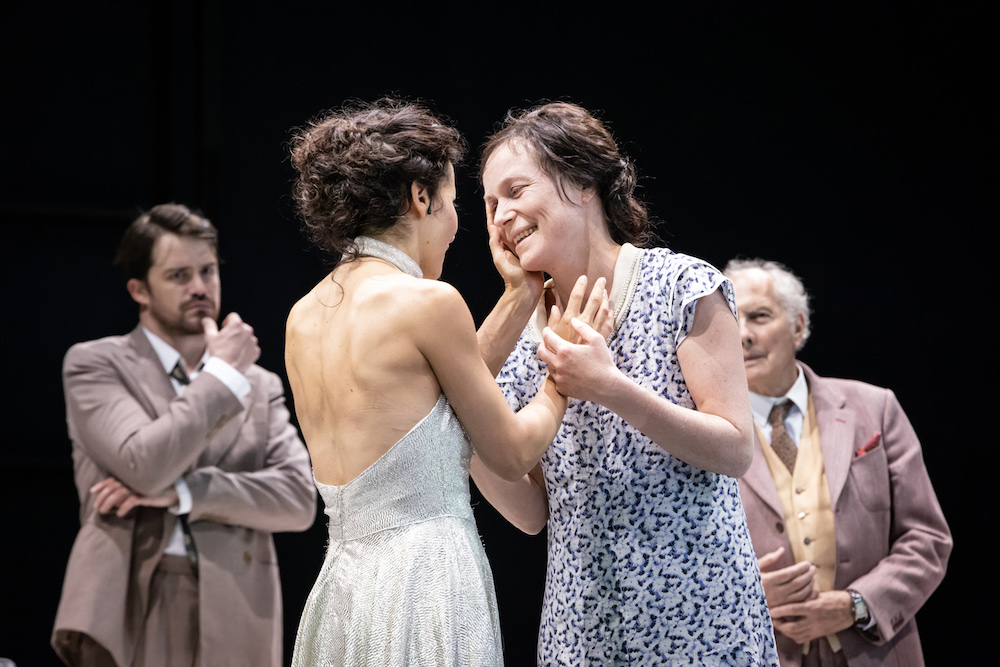
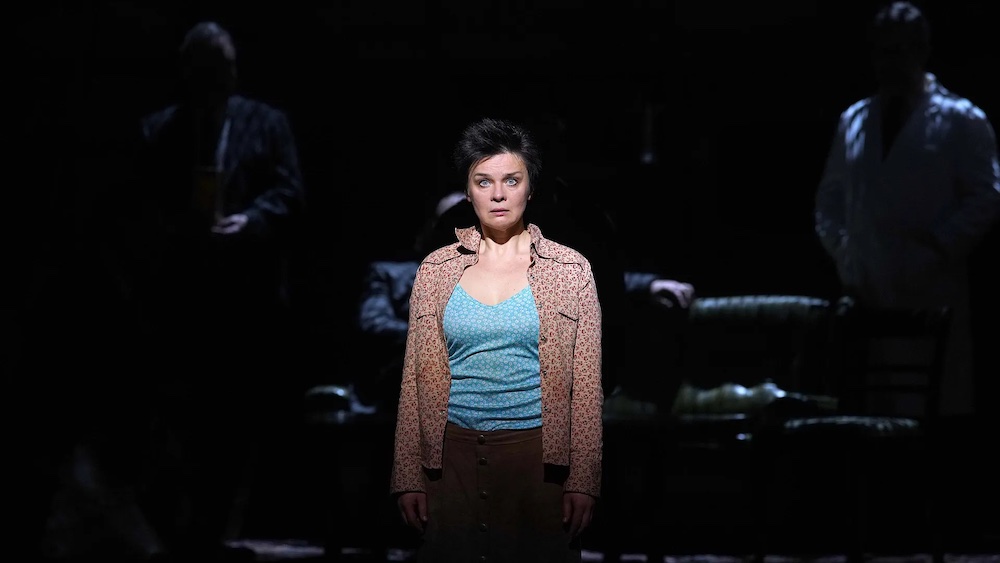
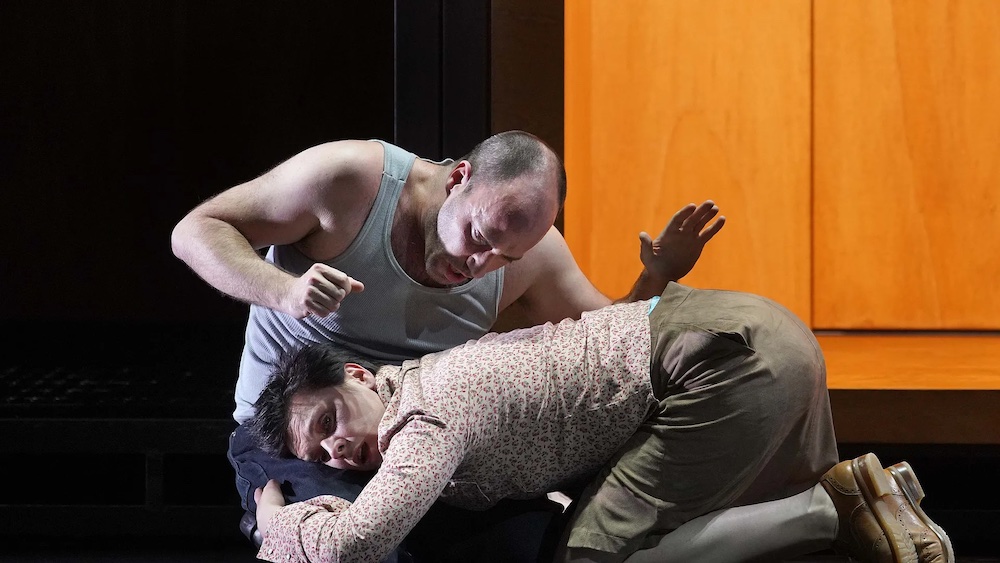
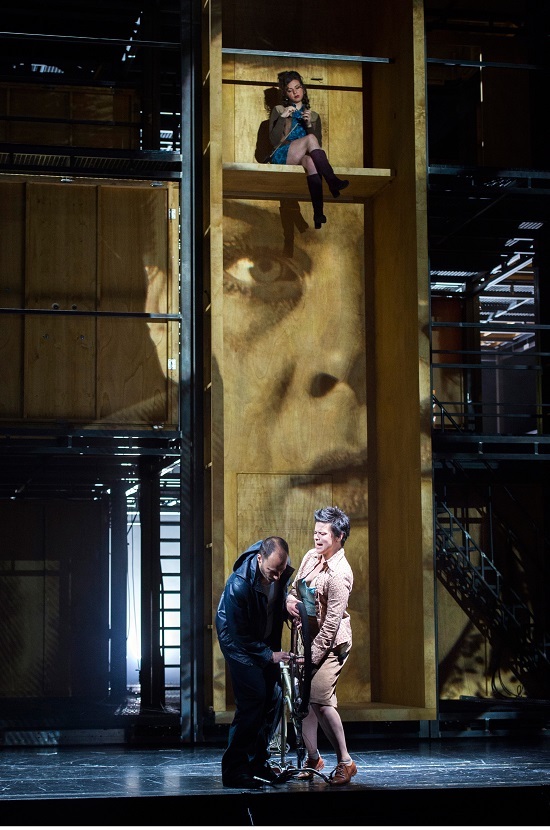
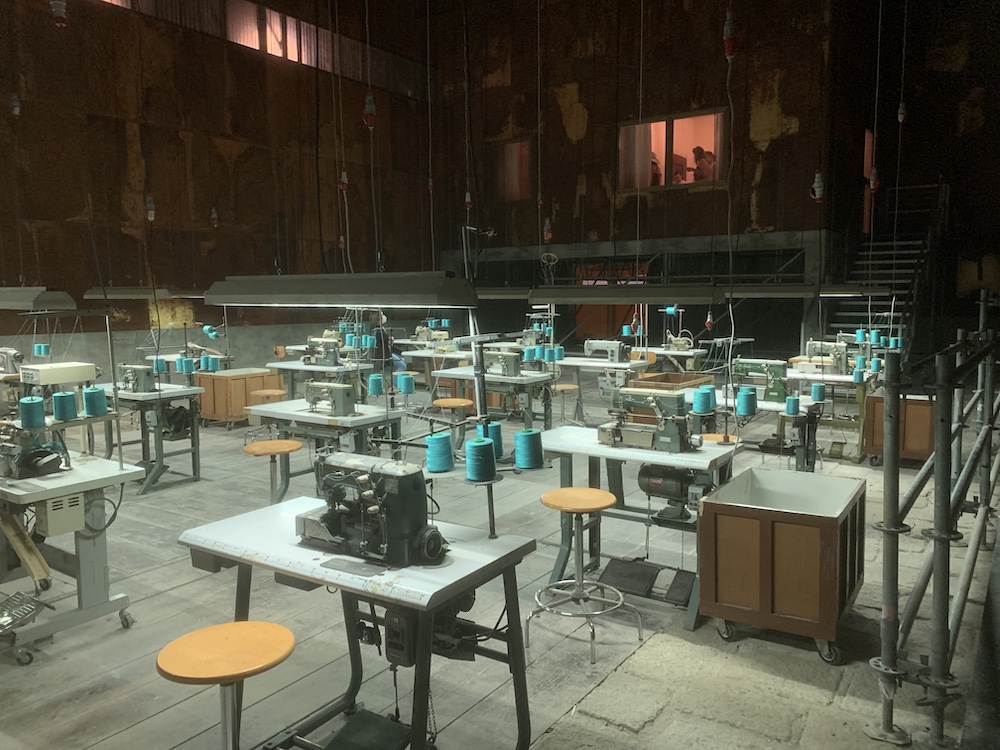
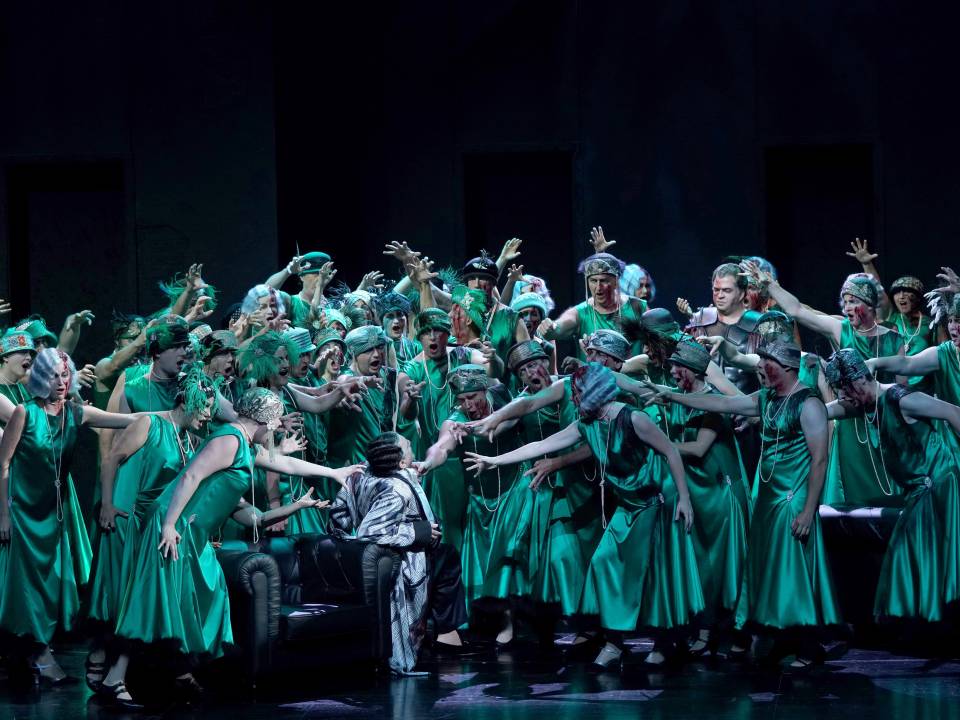
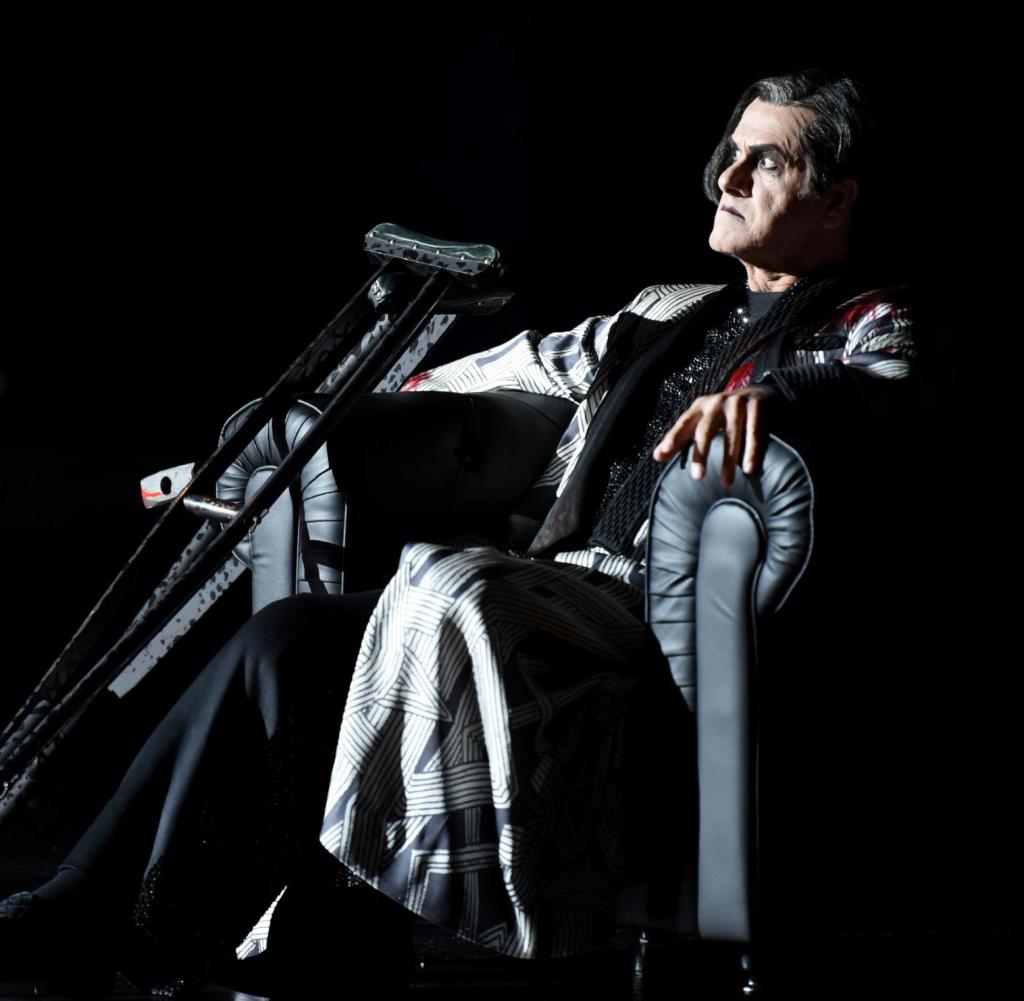
Quest’opera non vuole chiarezza: Boito con il suo libretto e con la sua musica fa una corsa sfrenata attraverso il simbolismo italiano, che vive di allusioni, misticismo e accenni enigmatici e il regista Olivier Tambosi fa di tutto per aumentare la confusione con la sua lettura da peplo horror. L’inizio sembra quello di un dramma passionale in cui le cose sono andate male e tutti, proprio tutti, hanno lo stesso abito per la costumista Gesine Völlm, ossia una vestaglia lorda di sangue, la stessa parrucca e un martello in mano, mentre Fanuèl porta una corona di spine e ha la figura del Nazareno, compreso il cuore ricamato sul petto. Nerone ha letto Freud e dopo aver portato a spasso per la scena il cadavere della madre da lui assassinata ne indossa il vestito verde. Anche il coro si esibisce in questo costume, forse un incubo dell’imperatore. Simon Mago indossa ali nere, i cristiani tuniche bianche, le cristiane sono monache. Lo scenografo Frank Philipp Schlössmann risolve il problema dei numerosi cambi di scena con una piattaforma rotante comprendente un triplice labirinto a incastro con colonne luminose che muovendosi rivelano nuovi scorci o fanno scomparire l’azione in una misteriosa oscurità grazie al gioco luci di Davy Cunnigham.
A capo dei Wiener Symphoniker Dirk Kaftan dipana la reboante partitura con fermezza e qualche taglio e ne mette in luce gli aspetti da colonna sonora hollywoodiana piena di reminiscenze verdiane, pucciniane e wagneriane. Le voci si adeguano al massiccio volume sonoro: qualcuno ci riesce meglio, come il tenore Rafael Rojas (Nerone) in gara con le esigenze della parte che nacque con Aureliano Pertile, altri hanno più difficoltà, come Svetlana Aksenova (Asteria) che ha timbro metallico e negli acuti tende a gridare. Qui comunque non si tratta di sfumature. Più sensibile è la Rubria di Alessandra Volpe mentre Lucio Gallo gigioneggia come Simon Mago e Brett Polegato è il rigoroso Fanuèl. I tanti interventi corali mettono in evidenza la versatilità del Coro Filarmonico di Praga. Comunque, dopo quattro atti non si sente la mancanza dell’incompiuto quinto.


⸪